
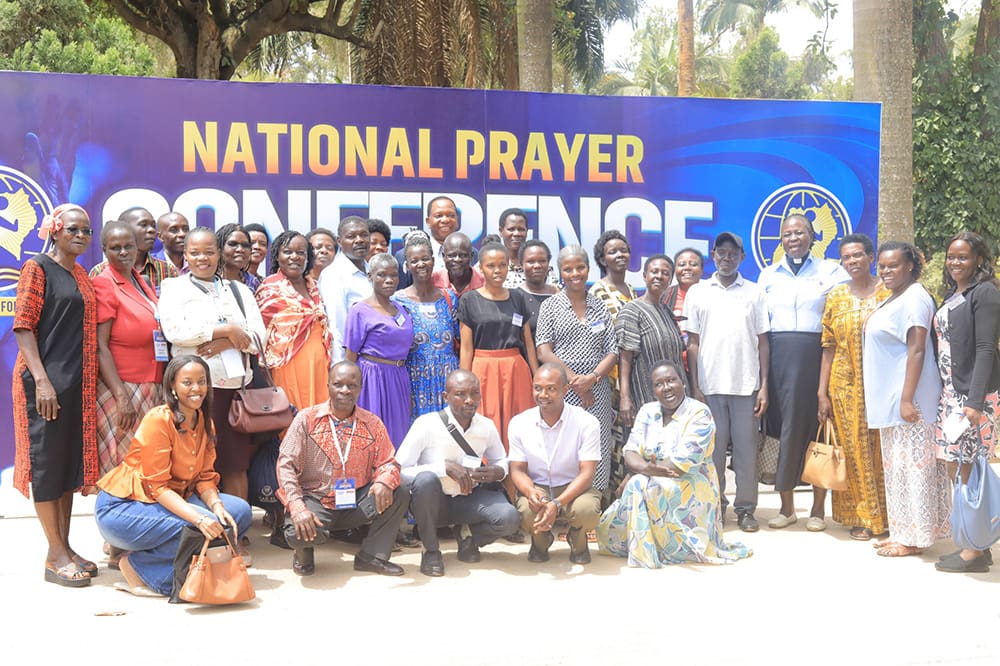
The 3rd day of the National Prayer Conference 2026 carried a strong call for believers to move beyond prayer alone and become active participants in the transformation of their communities and nation.
Under the conference theme, “Virtue and Equity: The Nation’s Bedrock,” the day’s sessions focused on raising transformational leaders, stewarding influence and developing practical solutions to the challenges facing Uganda.
Raising Ambassadors for Transformation
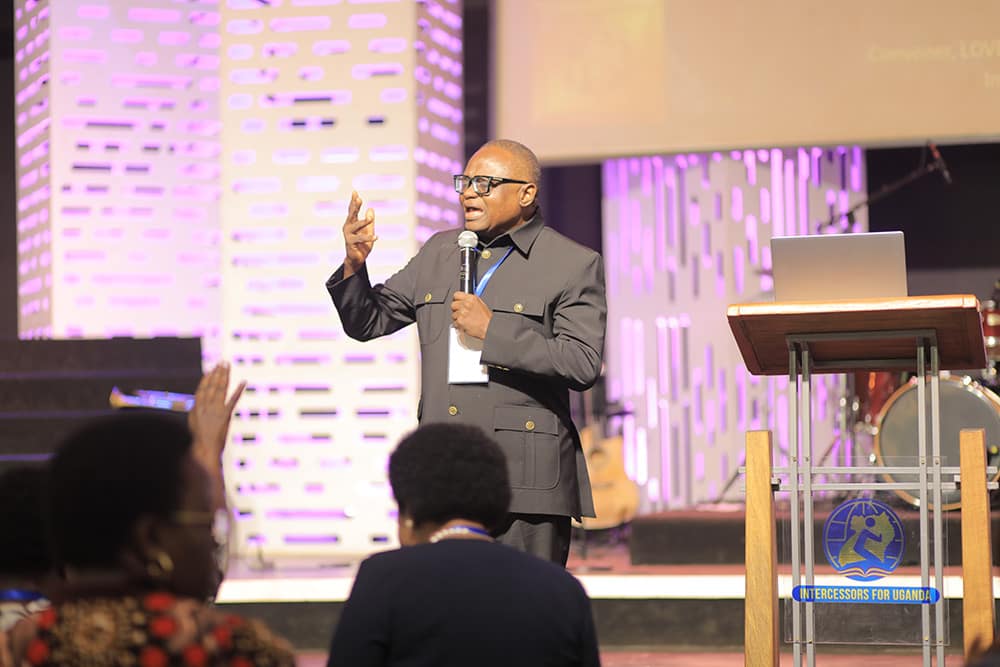
In his keynote address, Professor Vincent Anegbogu spoke on “Raising Ambassadors for Africa’s Transformation.”
He challenged participants to understand that true intercession must be accompanied by responsibility and action. Prayer is essential, but those who pray for transformation must also be prepared to participate in solving the problems they see around them.
Professor Anegbogu highlighted five important principles for transformational living:
- Faith
- Maturing in love
- Knowledge
- Discipline through execution
- A commitment to excellence and continual growth
Using biblical examples such as Nehemiah, he emphasised that transformation requires both spiritual conviction and practical skills.
The challenge was clear: believers must not only identify problems but also develop the leadership, management and problem-solving skills necessary to address them.
Stewarding the Platforms God Has Given Us
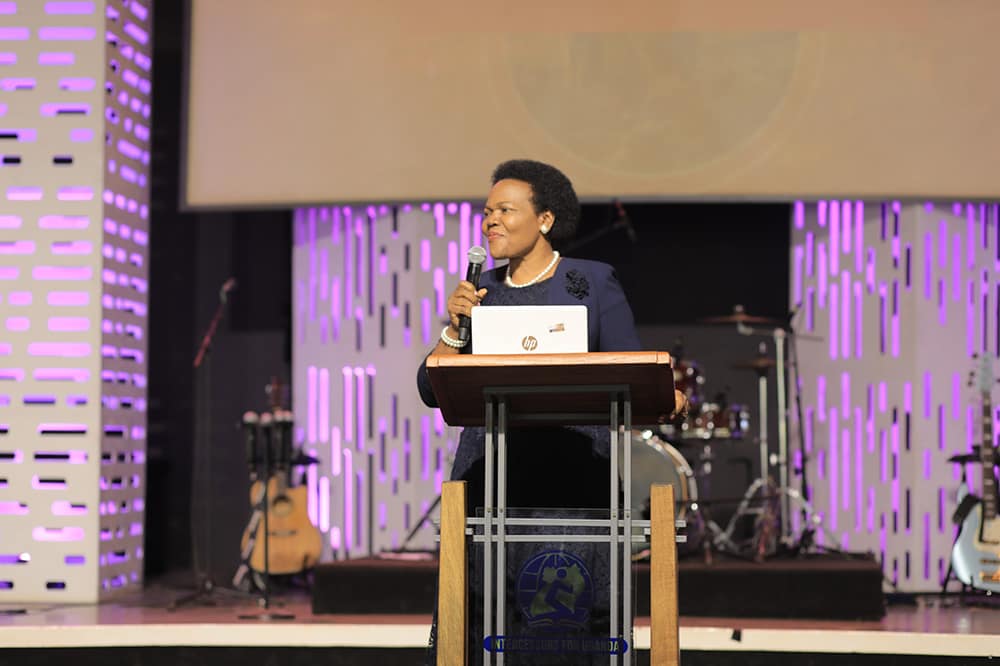
Irene Kauma, a seasoned public servant, shared her personal journey of stewardship and influence within government and education.
Through her testimony, participants were reminded that influence is often developed through faithfulness in the places where God has positioned us.
Her message encouraged participants not to wait for large platforms before making a difference.
Whether in government, education, business or another sphere, transformation begins with stewarding one’s current responsibilities faithfully.
Her journey also highlighted the importance of character, patience and understanding the systems within which one seeks to bring change.
Transformation Across Every Sphere of Society
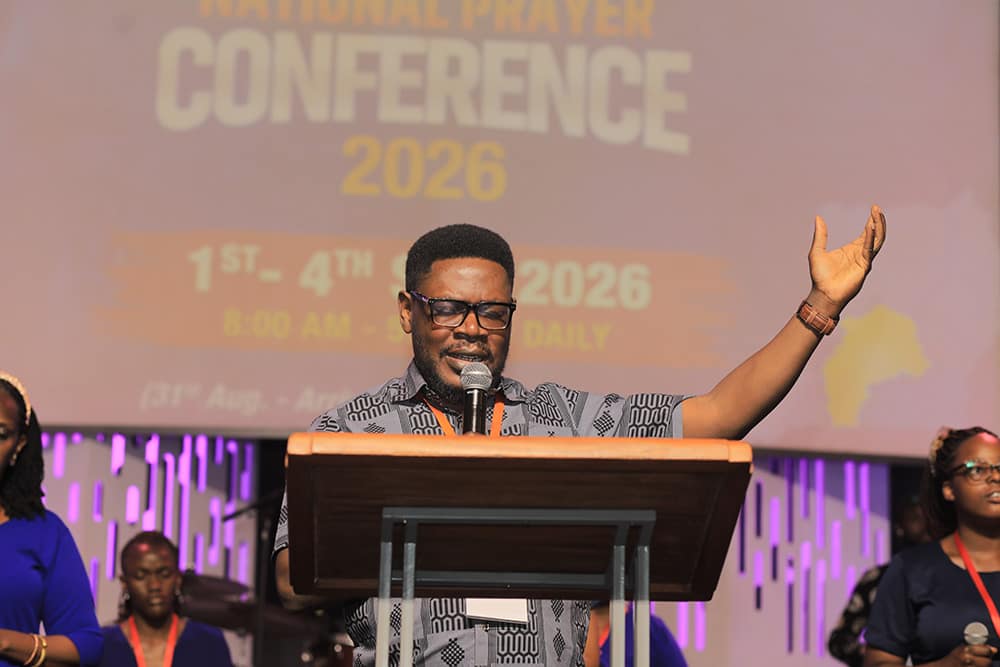
A major part of the day focused on the seven spheres of influence, with participants engaging in discussions about the challenges affecting different areas of society. The day was moderated by the Deputy Executive, Mr. Anthony Bugembe who heads the different spheres.
The spheres included: Faith, Family, Governance, Media, Education, Celebration, Business and the economy.
Each group examined the current challenges within its sphere and began identifying practical solutions.
This marked an important shift from identifying the problems facing the nation to considering how believers can actively become part of the solution.
Addressing the Challenges Within the Faith and Family
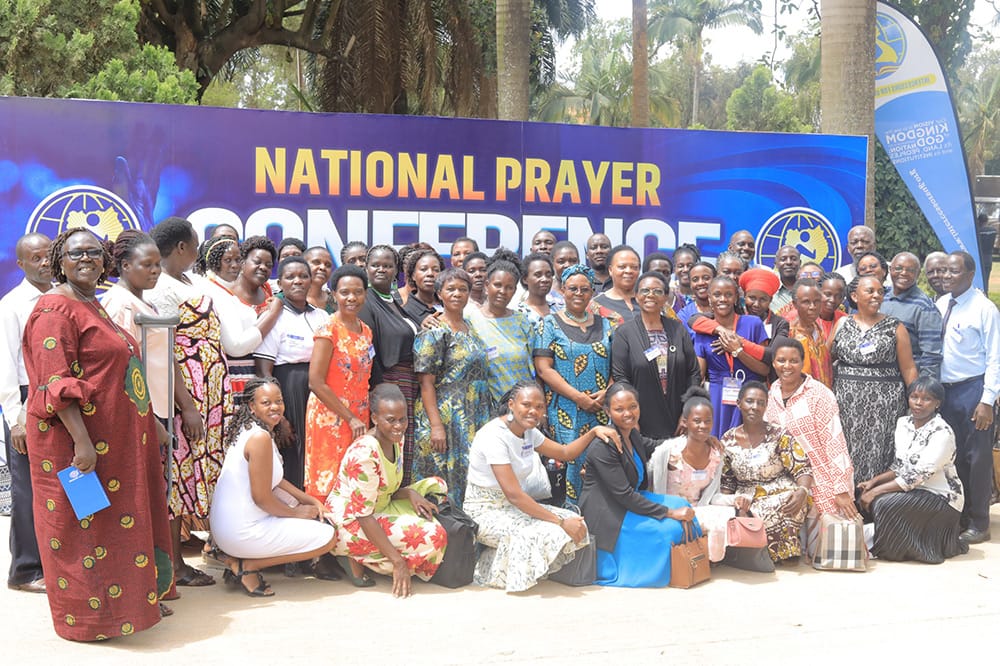
The discussions identified several challenges that require urgent attention, including inadequate discipleship, inconsistent prayer, weak mentorship, disunity and the decline of family altars.
The Family Mountain also highlighted challenges such as divorce, domestic violence and other social issues affecting families.
A key priority that emerged was the need to strengthen discipleship within both the Church and the home.
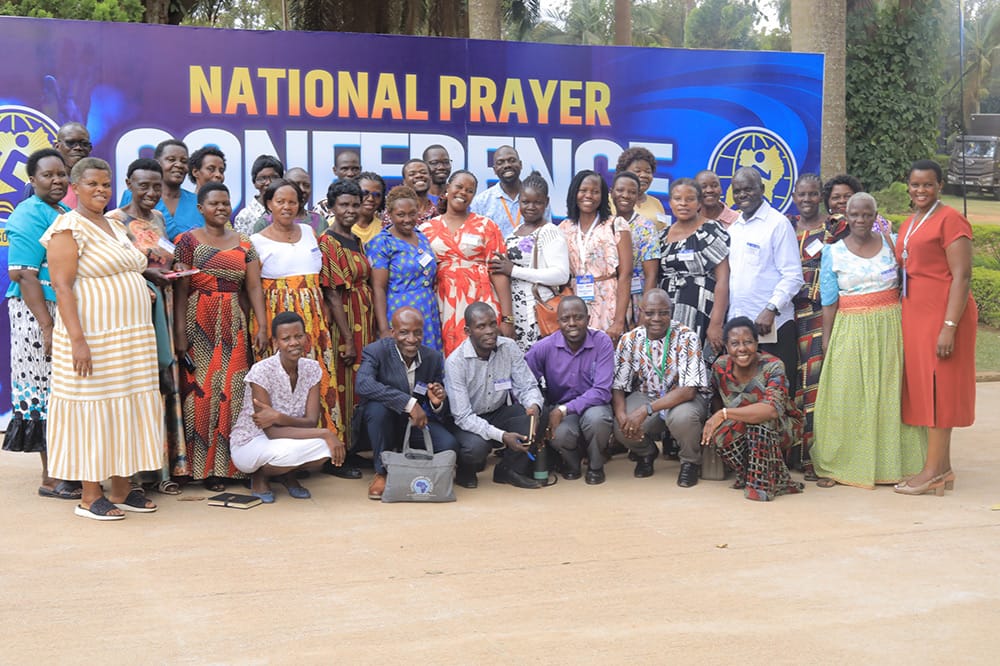
Participants recognised that strong families and well-discipled believers are essential foundations for a transformed society.
Equipping the Next Generation
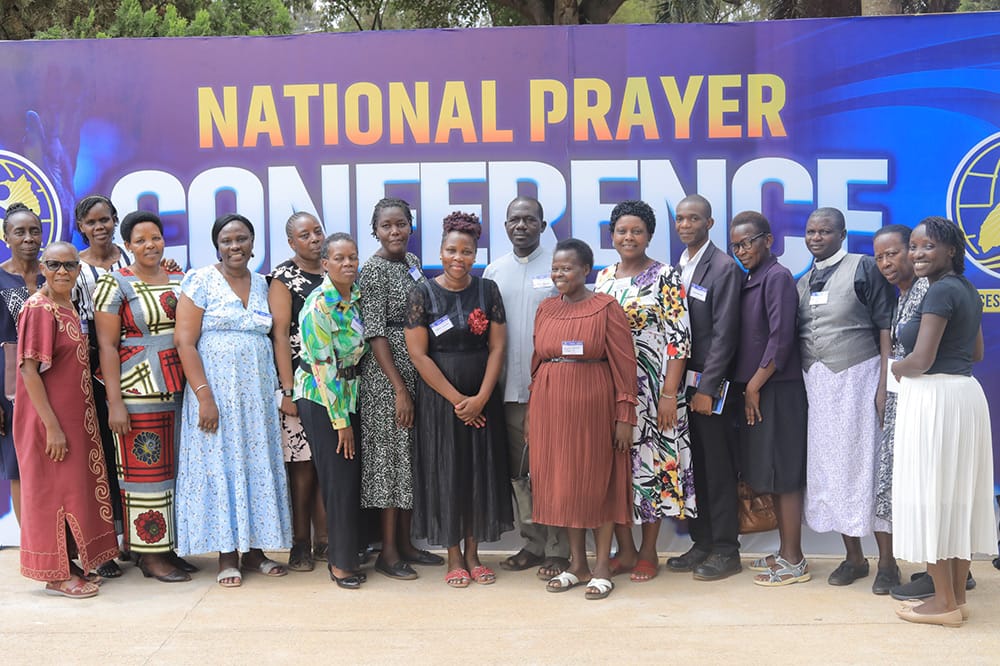
The Education Mountain highlighted the need to strengthen the biblical foundation within education and address broken relationships among key stakeholders.
The group also called for more practical approaches to education and proposed the establishment of a Christian Teachers Institute to equip educators.
The message was clear: education must not only prepare young people academically but also help shape character and prepare them to contribute meaningfully to society.
Excellence and Influence in Media and the Arts
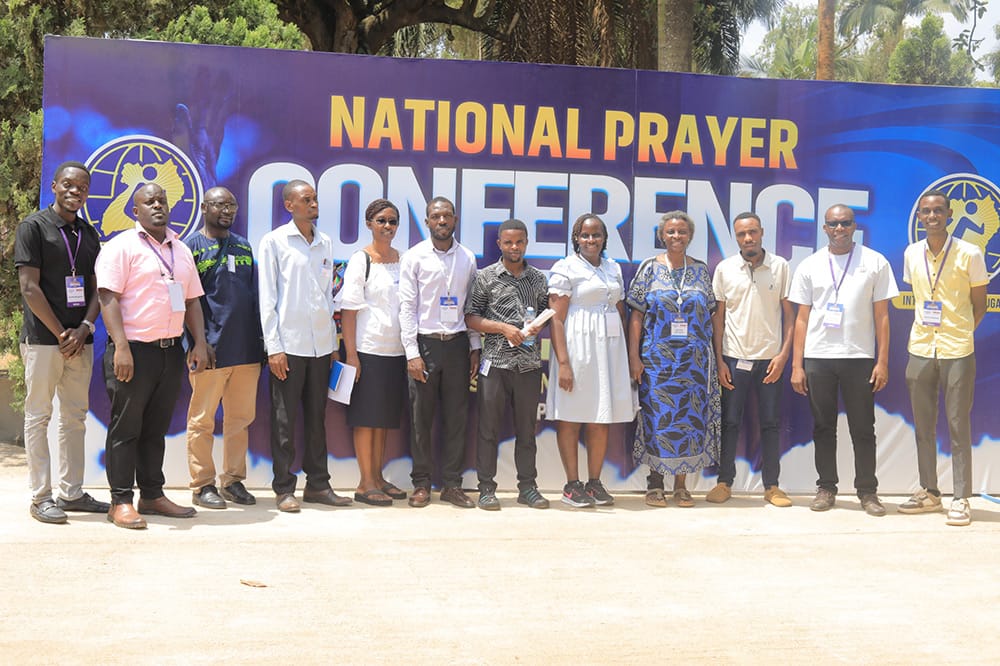
The Media and Celebration Mountains also identified areas requiring greater attention.
The need for more trained personnel, stronger documentation and intentional storytelling was highlighted within media.
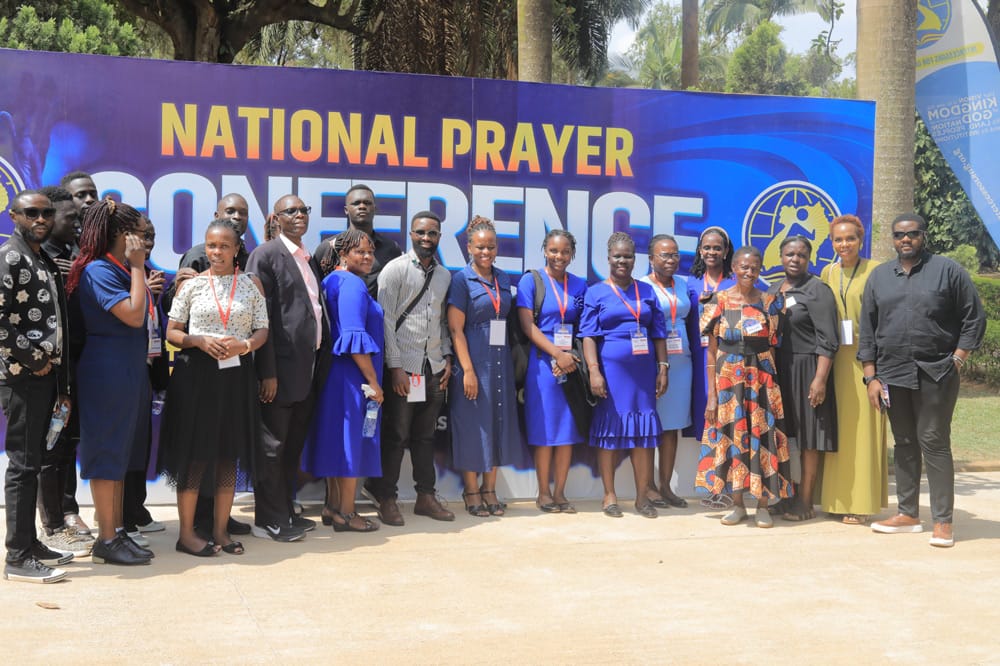
In the area of arts and celebration, participants discussed the need for discipleship, unity, excellence and greater professionalism.
The discussions emphasised that these spheres have significant influence over culture and must therefore be intentionally developed and strengthened.
Building an Economy That Includes More People
The Business Mountain examined challenges affecting Uganda’s economy, including limited opportunities for young people, difficulties faced by producers and challenges within agricultural value chains.
Practical solutions were proposed, including agribusiness pilot projects, capacity building and collective investment initiatives.
The discussions demonstrated that economic transformation also requires believers and communities to move beyond identifying problems and begin developing sustainable solutions.
From Prayer to Practical Execution
One of the strongest messages of Day Three was that intercession and action must work together.
Participants were reminded that prayer prepares and directs God’s people, but transformation also requires faithful stewardship, knowledge, discipline and practical execution.
As the conference continues, the challenge remains for every believer to consider:
What problem has God positioned me to help solve?
Day Three made it clear that the transformation of Uganda will require more than a desire for change. It will require people of character who are willing to pray, learn, collaborate and act.
The call is not simply to occupy positions of influence, but to become faithful ambassadors of transformation within them.
As Uganda seeks to build a stronger future, the work continues—within families, churches, schools, government, businesses, media and every other sphere of society.
Prayer must lead to action, and faith must be demonstrated through faithful stewardship and practical transformation.

